

The Do’s and Don’t’s of Holiday Lighting!
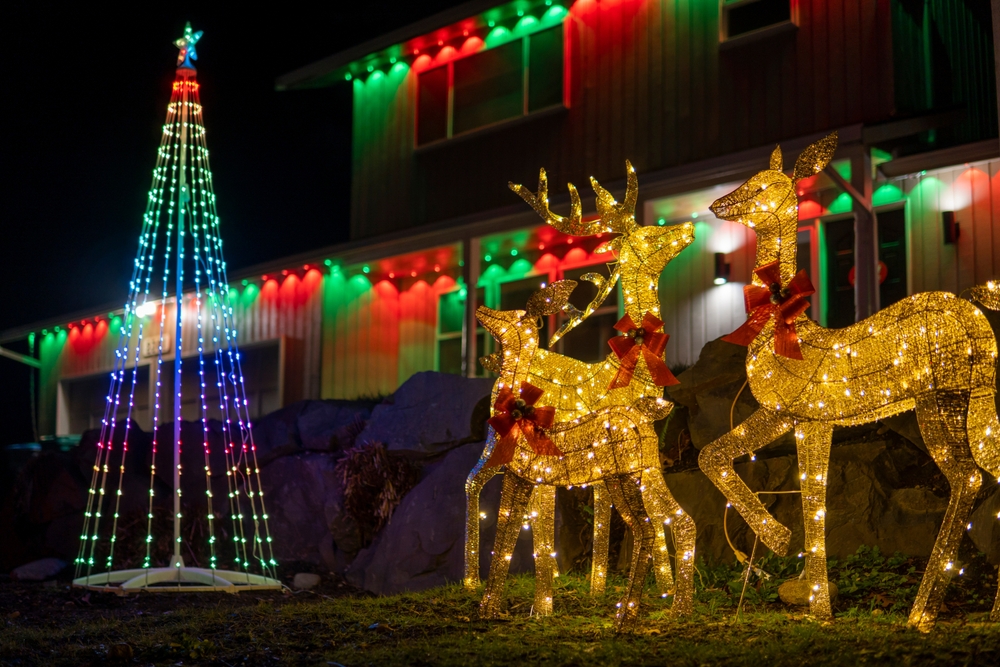
Holiday lighting brings joy, warmth, and a festive glow to homes and neighborhoods. The sparkle of string lights wrapped around trees, the shine of roofline displays, and the cozy ambiance of illuminated windows all work together to create a magical atmosphere. While decorating is exciting, safety must always come first. Every year homeowners experience preventable accidents, outages, and electrical hazards that could have been avoided with simple precautions. This guide walks you through the most important do’s and don’t’s so you can enjoy a brilliant display without putting people or property at risk.
Do Choose Safe Equipment and Inspect Everything First
The foundation of a safe holiday lighting setup begins with proper equipment. One of the smartest steps every homeowner can take is choosing ul-approved lights only. This is considered the biggest safety do because it ensures your lights have passed recognized safety testing and meet industry standards for durability and electrical stability. These products handle temperature fluctuations better than uncertified alternatives and are less likely to cause shorts or overheating.
Before a single strand is hung, take time for a thorough inspection. Every wire, socket, and plug should be checked carefully. A frayed cord inspection is a mandatory don’t neglect because any exposed copper, brittleness, or cracking can lead to sparks, shocks, or even electrical fires. People often rush through this part because they feel eager to start decorating, but a slow and careful review is essential.
Another essential prep step involves confirming that your power sources are in proper working order. An exterior outlet safety check prevents surprises like moisture issues, loose fittings, or damaged covers. Outdoor outlets face harsh conditions all year and small defects can become major problems when holiday lighting loads are added. For outlets in damp areas, gfci protection is a required safety do because ground fault interrupters instantly cut off power if they detect instability or leakage.
After your equipment passes inspection and outlets check out, you can begin planning the layout. Safe setup always starts with smart preparation, and giving attention to the basics protects your home throughout the season.
Do Use Proper Installation Techniques and Prioritize Personal Safety
Good installation techniques prevent both electrical problems and injuries. Many homeowners focus on where lights will look best but overlook their own physical safety. Climbing to hang lights requires careful planning and proper equipment. Ladder safety protocols are an installation do that should never be ignored. Choose a sturdy ladder that can handle your weight, set it on a level surface, and maintain three points of contact at all times. Ask a helper to stabilize the base whenever possible.
Weather conditions should also guide your installation choices. Never climb ladders during icy, wet, or windy conditions since even a minor slip can result in a serious fall. Use clips or hangers specifically designed for holiday lights instead of nails or staples. Metal fasteners can pierce insulation and create shock hazards and they can also damage siding or shingles.
Holiday decorating sometimes requires cutting zip ties, trimming shrub branches, or fastening extension cords. This is where another crucial rule applies. Power tool use near wiring is a major installation don’t because drills, saws, and similar tools increase the risk of accidental cord damage. Even a tiny nick can compromise insulation and create a hazard once electricity begins flowing. Hand tools may be slower, but they are safer and more controlled for tasks close to wiring.
By taking deliberate steps and avoiding risky shortcuts, you can create a polished display without endangering yourself or others.
Don’t Overload Circuits or Mix Light Types
Beautiful holiday displays often involve long strands, multiple decor pieces, and illuminated features throughout outdoor spaces. Although lighting technology has become more energy efficient, circuits still have limits. Circuit overload prevention is the biggest don’t mistake to avoid because plugging in too much equipment can lead to blown fuses, tripped breakers, or even electrical fires. Before connecting multiple strands, check manufacturer guidelines for maximum connections and note the amperage limits of your circuits. LED lights help reduce electrical load, but proper planning is always necessary.
Another rule that often surprises people involves light classification. Mixing indoor outdoor lights is a critical don’t because the two product types are designed for very different environments. Indoor lights cannot withstand moisture, temperature swings, or wind. Their insulation is thinner and their casings are more delicate. If used outside, they may fail quickly or cause shocks or shorts. Outdoor lights, meanwhile, are specifically engineered with stronger insulation and sealed sockets. Always read packaging carefully so you know where each strand belongs.
Extension cords follow the same principle. Indoor cords should never be used outdoors. They deteriorate quickly when exposed to weather and can become dangerous in a short period of time. Outdoor rated cords provide stronger insulation and grounding to handle heavier workloads.
Keeping lights organized by category and installed in the right environment preserves the beauty of your display and maintains a safe electrical system.
Do Maintain Safe Power Management and Weather Protection
Once your lights are up, protecting them from the elements and controlling power flow is essential. Moisture poses a major risk during the winter season. Rain, melting snow, and condensation can settle on plugs, outlets, and wiring. Using outdoor rated covers and weather resistant extension cords helps reduce the likelihood of electrical instability. Make sure connections are lifted off the ground whenever possible to avoid puddles and runoff.
Gfci protection plays another key role here since it reacts instantly to moisture irregularities. If your exterior outlet is older or lacks built in protection, consider using a portable GFCI adapter to safeguard your system.
Timers and smart plugs offer additional safety benefits. By automating on and off cycles, you reduce the chance of leaving lights running unattended for long periods. This limits electrical strain and keeps your home safer during sleeping hours.
If storms are expected, check your lights afterward to ensure nothing has loosened or fallen. Weather can shift wires and create strain on sockets or clips. A quick walk around your home helps catch problems early.
Staying mindful of power management allows you to enjoy holiday ambiance without unnecessary electrical risks.
Don’t Ignore Maintenance After Installation
Many homeowners assume that once lights are set up the job is complete. In reality, ongoing maintenance is a key part of a safe display. Winter can be tough on wires and fixtures. Freezing temperatures can stiffen insulation and lead to cracking. Wind can tug strands out of place. Moisture can pool in connectors. Regular visual checks help prevent problems before they escalate.
If you notice any discoloration near bulbs or plugs, unusual buzzing, flickering, or a sudden change in brightness, these can be signs of electrical stress. Unplug the affected section immediately and inspect it. Never attempt to tape over damage or wrap frayed insulation because these makeshift fixes do not restore safety.
Storing lights properly after the season ends also extends their lifespan and reduces safety hazards for the following year. Avoid tangling strands and always keep them in dry, temperate locations.
A few minutes of care throughout the season can make a meaningful difference in both performance and safety.
Conclusion
Holiday lighting can transform your home into a cheerful and welcoming showcase, but every beautiful display must start with safe practices. Choosing ul-approved lights only protects you from poor quality products. An exterior outlet safety check and reliable gfci protection ensure your power sources are ready. Ladder safety protocols keep installation injury free. Avoiding circuit overload prevention mistakes protects your electrical system, and keeping light types separate avoids risk. Paying attention to details like frayed cord inspection and avoiding power tool use near wiring reduces preventable hazards. With proper planning, steady attention, and safe habits, you can enjoy a festive season filled with brightness and peace of mind.
Need Outdoor Lighting Services Near You?
Here at East Texas Outdoor Lighting Solutions, we’re passionate about enhancing the beauty and safety of your property with expert outdoor lighting services. Whether you’re looking for custom landscape lighting, year-round Trimlight installations, or dazzling holiday displays, we have the perfect solution for you. Our team is committed to providing high-quality, energy-efficient designs tailored to your needs. Based in Frankston, TX, we proudly serve the entire East Texas area. Reach out today for a free consultation, and let us help you brighten up your space!