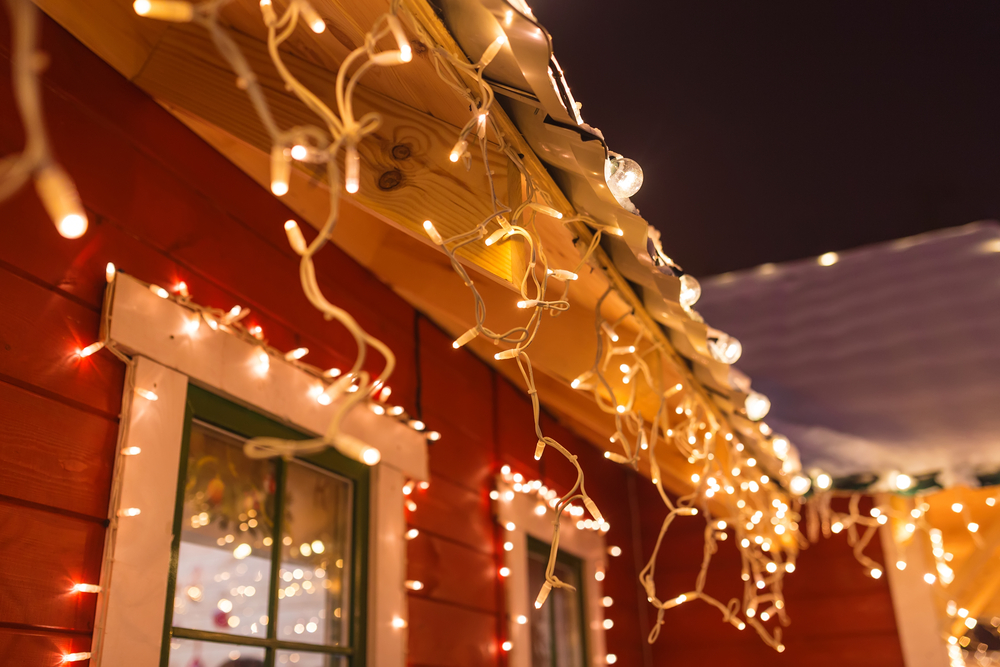
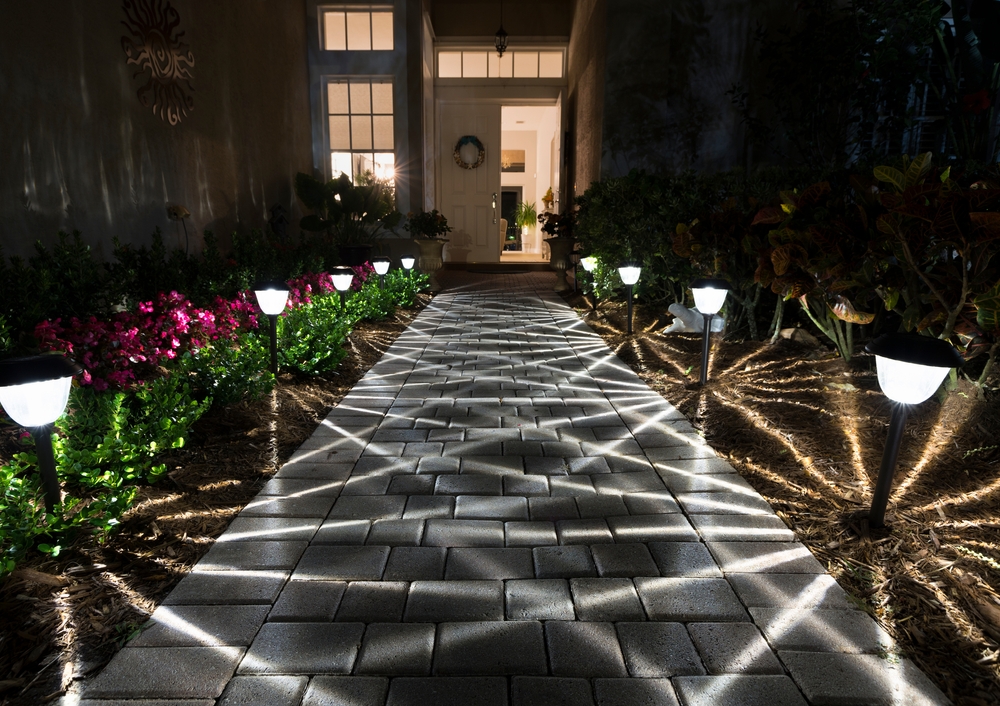
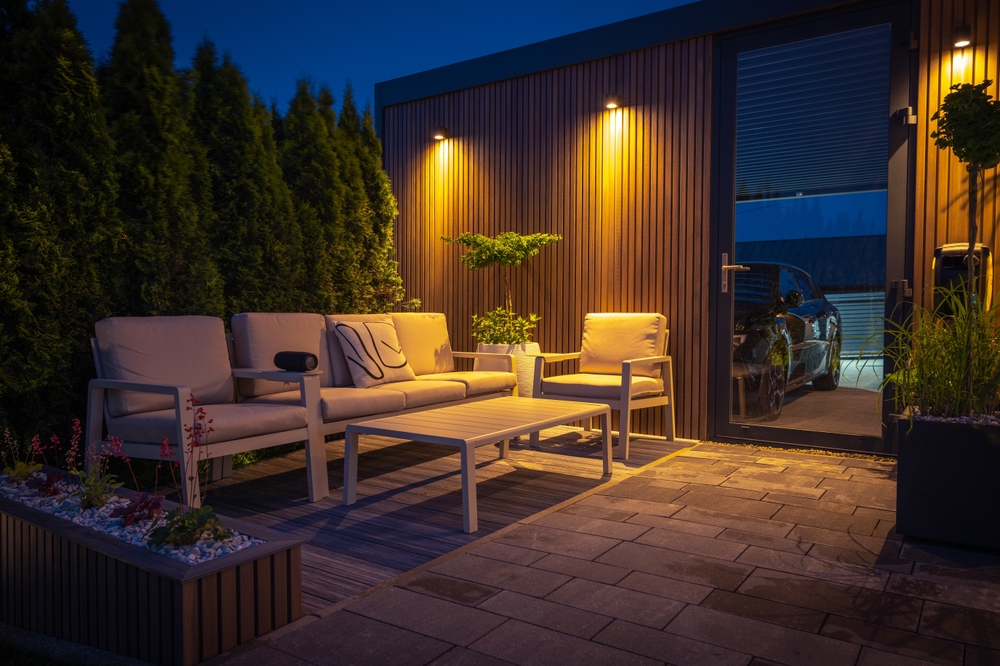
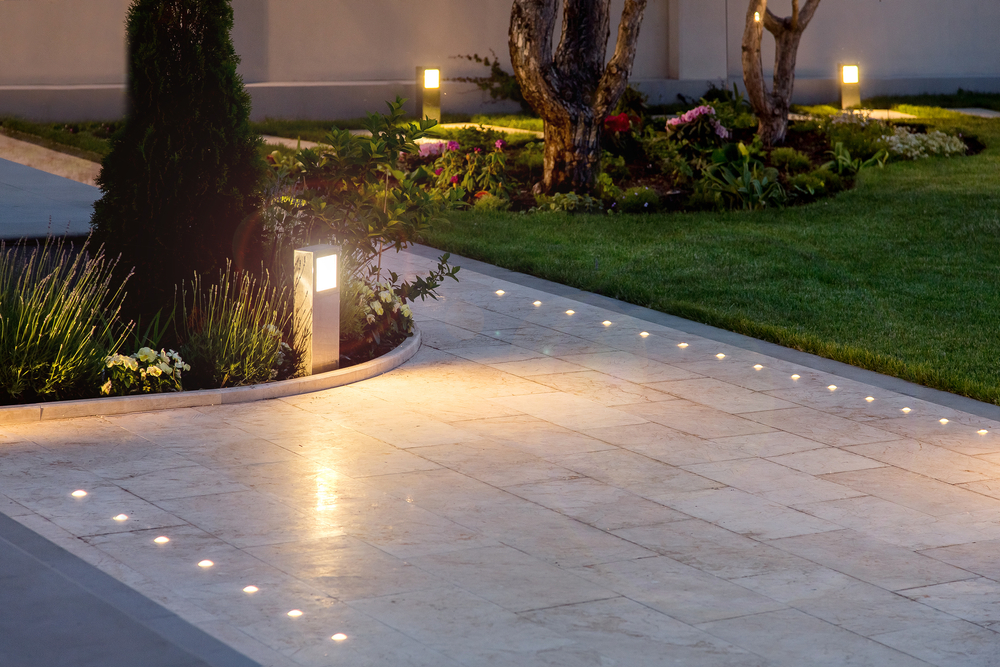
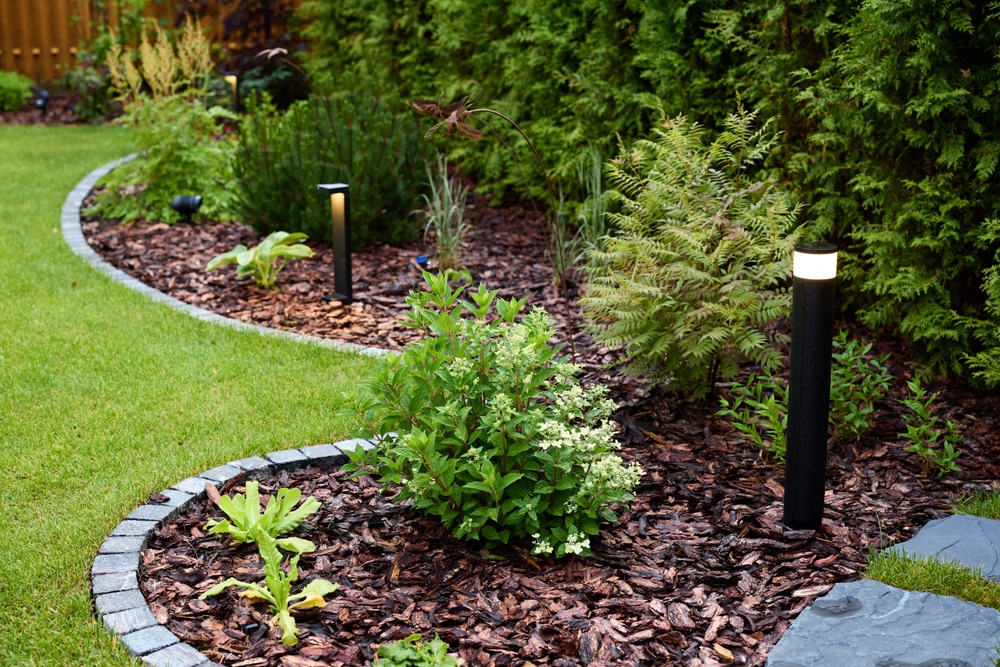
As the days grow shorter and the crisp chill of autumn settles in, many homeowners start thinking about adding charm and warmth to their homes with new lights on the home for Fall. Whether you want to enhance curb appeal, create a cozy ambiance, or ensure proper visibility as nights lengthen, prepping your yard for new lights this Fall requires some planning and effort. From selecting the right lighting to installing them effectively, every detail matters to achieve the perfect glow that complements the season. In this comprehensive guide, we’ll walk you through everything you need to know about what you need for new lighting in the Fall and how to manage new lighting in the Fall to ensure your home shines beautifully.
The Importance of Seasonal Lighting
Lighting during the fall months isn’t just about aesthetics—it plays a functional role in safety and security, too. As daylight decreases, you need your outdoor spaces to remain visible and inviting. When installing new lights on the home for Fall, think beyond decorative string lights and consider solutions that enhance both form and function. Strategic lighting around walkways, driveways, and porches keeps your family safe while boosting your home’s visual appeal.
Additionally, prepping your yard for new lights this Fall is about matching the lighting tone with the season’s warm, cozy vibes. Amber, soft white, and low-temperature LEDs can create the perfect glow. Many homeowners also choose to highlight landscaping elements like trees and shrubs since fall foliage provides an excellent backdrop for accent lighting.
This season-specific approach also lets you maximize energy efficiency. Investing in LED fixtures, solar-powered lights, and timers allows you to manage energy consumption while still creating a welcoming environment. The goal is to balance aesthetics, practicality, and sustainability for the perfect autumn lighting setup.
Choosing the Right Fixtures and Designs
One of the most important parts of prepping your yard for new lights this Fall is choosing fixtures that match your home’s architecture and seasonal needs. The right combination of lighting styles can elevate your home’s exterior while providing functional benefits. From pathway lighting to decorative features, here’s how to approach your selection:
Start by considering your priorities. Do you want to create a festive vibe, highlight architectural features, or increase nighttime visibility? If you’re aiming for cozy warmth, lantern-style sconces, string lights, and low-voltage pathway lights are excellent options. For a modern and minimalist aesthetic, sleek LED uplights or recessed step lighting can create a clean, elegant look.
Understanding what you need for new lighting in the Fall also involves choosing weather-resistant fixtures. Fall brings unpredictable weather, including rain, wind, and temperature swings, so durability matters. Look for fixtures rated for outdoor use with appropriate IP ratings to withstand moisture and seasonal conditions.
Additionally, consider the bulb temperatures and brightness levels. Warm tones, typically in the 2700K to 3000K range, create a comforting, inviting atmosphere that aligns with the season. For layered lighting, combine task lighting for safety with accent lighting for decorative flair. Motion-activated lights can also enhance security while helping you manage new lighting in the Fall without driving up energy costs.
Installation Tips for a Safe and Stunning Setup
Once you’ve chosen your fixtures, the next step in prepping your yard for new lights this Fall is proper installation. Even the highest-quality lighting can fail to deliver its full potential without careful setup. Begin by planning a lighting map that outlines where fixtures will be placed to maximize both coverage and visual balance.
If you’re adding new lights on the home for Fall around high-traffic areas like walkways and driveways, ensure they’re positioned to minimize shadows and prevent glare. Improper placement can lead to tripping hazards or discomfort for guests. Always follow manufacturer guidelines when installing fixtures, particularly for electrical connections and mounting heights.
For those who enjoy DIY projects, solar-powered and plug-and-play systems are great options that make installation easier while avoiding extensive wiring. However, for more complex systems or hardwired fixtures, hiring a professional may be necessary to ensure safety and compliance with local building codes.
Weatherproofing is another key consideration when thinking about what you need for new lighting in the Fall. Use outdoor-rated extension cords, sealant where needed, and protective covers for outlets to safeguard against moisture. Regularly inspect connections and replace worn components before problems arise. Taking these steps ensures not only a stunning setup but also long-term reliability.
Managing and Maintaining Your Lighting System
Once your lighting is installed, learning how to manage new lighting in the Fall is essential to keeping your system efficient and effective. The shorter days and longer nights mean your lights will be used more frequently, so energy management becomes critical. Investing in smart lighting controls or simple timers can help you automate on/off schedules and prevent unnecessary energy waste.
To maintain the beauty and functionality of your setup, make it a habit to inspect your fixtures regularly. Clean lenses to keep your lighting bright and clear, and check for loose wires or burned-out bulbs. Seasonal changes often bring falling leaves and debris, which can block light paths and affect performance, so routine upkeep is necessary.
Managing your lights also means making thoughtful adjustments throughout the season. As the angle of sunlight shifts and your landscaping changes, reevaluating placement and brightness ensures your lighting continues to highlight your home’s best features. If you’ve installed smart systems, you can even control dimming levels and color tones remotely for added convenience.
When prepping your yard for new lights this Fall, remember that proactive care goes hand-in-hand with installation. A little maintenance not only extends the life of your fixtures but also keeps your home looking warm, inviting, and safe as the season progresses.
Enhancing Curb Appeal and Seasonal Ambiance
Lighting is one of the easiest and most impactful ways to elevate curb appeal during autumn. New lights on the home for Fall can completely transform your exterior, making it more welcoming and festive. By choosing lighting that enhances architectural details, highlights landscaping, and provides a warm glow, you create an inviting atmosphere that reflects the beauty of the season.
For homes with porches or patios, consider adding layered lighting to balance function and aesthetics. Combining ambient string lights with task-oriented fixtures ensures your space is both cozy and practical for outdoor gatherings. If you host seasonal events, flexible lighting systems allow you to switch between soft everyday illumination and brighter setups for special occasions.
Even subtle touches can make a big difference. Pathway lights guiding visitors to your door, small spotlights highlighting decorative pumpkins, and soft uplighting around trees can create a magical autumnal scene. Prepping your yard for new lights this Fall is about more than visibility—it’s about capturing the essence of the season in your design choices.
Conclusion
Prepping your yard for new lights this Fall goes beyond simply adding fixtures—it’s about planning, design, and ongoing care. From understanding what you need for new lighting in the Fall to learning how to manage new lighting in the Fall effectively, each step contributes to a beautiful and functional setup. The right lights enhance your home’s aesthetic appeal, improve safety, and create an inviting ambiance for family and friends.
By selecting durable fixtures, installing them thoughtfully, and maintaining them properly, you can enjoy a stunning display that lasts well beyond the season. New lights on the home for Fall offer an opportunity to embrace the changing atmosphere and transform your outdoor spaces into something truly special. With the right approach, your home can shine bright, welcoming autumn nights with warmth, style, and charm.
Need Outdoor Lighting Services Near You?
Here at East Texas Outdoor Lighting Solutions, we’re passionate about enhancing the beauty and safety of your property with expert outdoor lighting services. Whether you’re looking for custom landscape lighting, year-round Trimlight installations, or dazzling holiday displays, we have the perfect solution for you. Our team is committed to providing high-quality, energy-efficient designs tailored to your needs. Based in Frankston, TX, we proudly serve the entire East Texas area. Reach out today for a free consultation, and let us help you brighten up your space!
Outdoor lighting does more than illuminate your backyard or front porch—it transforms how your home is experienced after dark. The right lighting for your home’s exterior can increase security, create ambiance, highlight architectural features, and extend the usability of your outdoor spaces well into the evening. Yet, many homeowners struggle with how to select your new lighting for your home’s exterior in a way that balances practicality, aesthetics, and efficiency.
Whether you’re installing pathway lights, uplighting trees, or upgrading your porch fixtures, making the right decisions can feel overwhelming. Is there such a thing as wrong lighting for your home outdoors? Absolutely—and missteps can lead to harsh glares, light pollution, or wasted energy. This guide will help you plan, choose, and implement outdoor lighting that enhances both beauty and function, while keeping your space safe and inviting.
The Importance of Outdoor Lighting Design
When people think about lighting their home, they often focus on interiors. But outdoor lighting plays a crucial role in curb appeal, security, and your enjoyment of outdoor areas. It adds dimension and drama to landscaping, allows you to entertain after dark, and increases your home’s resale value.
Think of lighting as a layer of design that brings out your home’s nighttime personality. A well-lit façade creates a warm welcome, while a softly illuminated backyard encourages relaxation and connection. Beyond aesthetics, it enhances safety by illuminating pathways, stairs, driveways, and entrances—critical areas for preventing trips and deterring intruders.
Before choosing fixtures or placing orders, take a walk around your property at dusk and after dark. Notice the dark spots, the overly lit ones, and areas where light would enhance safety or highlight features. This site-specific evaluation is essential to understanding what to know before updating your home lighting outside.
How to Select Your New Lighting for Your Home’s Exterior
A thoughtful outdoor lighting plan usually includes a combination of four major lighting types: ambient, task, accent, and security lighting.
Ambient lighting provides overall illumination for patios, decks, or porches. Fixtures like overhead string lights, post lights, or wall-mounted lanterns offer gentle brightness that makes a space feel usable without being harsh. When choosing these, consider the size of the area and the amount of natural moonlight or nearby street lighting.
Task lighting focuses on specific functional areas like stairways, outdoor kitchens, and entry doors. Floodlights, step lights, and pendant lights near outdoor counters help you safely perform tasks after dark. This type of lighting should be bright enough to reduce shadows, but still soft enough to avoid glare or eye strain.
Accent lighting adds visual interest by highlighting architectural details, trees, water features, or garden beds. Spotlights, uplights, and even solar-powered stake lights can make features pop. Accent lights are best used sparingly to avoid overwhelming the landscape—less is often more.
Security lighting, on the other hand, is focused on safety. Motion-sensor floodlights near garages, entry points, or dark corners of your yard help deter unwanted visitors and increase your sense of protection. When possible, combine this lighting with smart systems that allow for remote control or automation based on movement or schedule.
One of the best things about outdoor lighting today is the wide availability of energy-efficient LED options. LEDs are long-lasting, weather-resistant, and available in a variety of color temperatures. Choose warm white (2700K to 3000K) for most applications to create a welcoming glow, and reserve cooler whites (4000K+) for task-heavy areas like driveways or garages.
What to Know Before Updating Your Home Lighting Outdoors
Before diving into fixture styles or bulb types, it’s critical to plan with purpose. What do you want your outdoor lighting to achieve? Is your goal to increase security, create ambiance, boost curb appeal, or all of the above? Knowing this will guide every other decision.
Power source is a primary consideration. Do you want to hardwire your lights into your home’s electrical system? Or do you prefer solar-powered or battery-operated fixtures? Wired lighting is more reliable but requires professional installation, while solar is eco-friendly and easy to install—but only effective with adequate sunlight exposure.
Durability is another factor. Outdoor lights face wind, rain, snow, UV rays, and insects. Look for fixtures rated for wet or damp locations, depending on their exposure. Solid brass, copper, or powder-coated aluminum are great choices for weather resistance.
Think also about lighting control. Timers, motion sensors, and smart switches can help conserve energy and extend the lifespan of your bulbs. They also offer convenience—imagine your porch light turning on automatically at sunset or your garden lights dimming at a set time to signal bedtime.
And don’t forget placement. One of the most common outdoor lighting mistakes is installing fixtures too high or low, which can distort the light’s effect. Lights placed too high can create harsh shadows, while lights placed too low may lose their impact. Install pathway lights about 14 inches off the ground, wall sconces at eye level, and accent lights at a slight upward angle for the best effect.
Is There Such a Thing as Wrong Lighting for Your Home’s Exterior?
Yes, and it’s more common than most people think. A poorly executed lighting plan can make your home look harsh, overexposed, or visually confusing. One of the biggest mistakes is using lighting that’s too bright. While it may seem like more light equals more safety, overly bright lights can actually cause glare, create deep shadows, and make your home less inviting.
Mismatched color temperatures are another major issue. When your front yard is lit with a soft warm glow and your backyard glows cold and blue, it creates visual disharmony. Keep a consistent color palette of warm white light to maintain continuity and harmony across your property.
Improper beam spread is another common problem. Floodlights that illuminate too wide can create light pollution, while those too narrow leave gaps. Use wide-beam lights for large areas and narrow beams for specific features.
Another form of “wrong lighting” is poorly shielded or directed fixtures. When lights are aimed directly into the sky or your neighbor’s window, it creates a nuisance and wastes energy. Always aim lights down or toward the feature you’re trying to illuminate. Look for full cut-off fixtures, which direct light downward and minimize light trespass.
Finally, ignoring zoning or HOA rules can be a costly mistake. Some communities restrict certain types of outdoor lighting or require permits. Always check local regulations before starting your project.
Creating Atmosphere with Outdoor Lighting
While function is essential, don’t underestimate the power of mood. Outdoor lighting can create stunning atmospheres that feel serene, magical, or festive, depending on how you use it. The best lighting plans balance brightness with softness, contrast with consistency, and utility with personality.
In gathering areas like patios and decks, string lights offer warmth and charm, creating a cozy ambiance perfect for entertaining. Lanterns or candles on tables add layers of intimacy. On walkways, staggered path lights guide guests while showcasing your landscaping. Around pools or water features, underwater lights or soft accent lighting add elegance and drama.
Want to highlight your home’s architecture? Use uplights at the base of columns, archways, or textured walls. For a more natural look, moonlighting—placing a soft light high in a tree to mimic moonlight—adds depth and a subtle, enchanted glow.
Smart lighting can take your ambiance even further. Set color-changing LEDs to match the season—warm golds and reds in fall, icy blues in winter, soft greens in spring. Create customized scenes, like “garden party,” “date night,” or “security mode,” that can be activated with a tap or voice command.
Conclusion
Ultimately, the right lighting for your home’s exterior should enhance how you live outdoors. It should invite, protect, inspire, and reflect your unique taste. When thoughtfully chosen and properly installed, outdoor lighting doesn’t just illuminate your yard—it extends your living space, makes your home more secure, and provides a sense of welcome to all who visit.
So, if you’re standing at the edge of your patio wondering how to select your new lighting for your home outdoors, remember this: great lighting isn’t about brightness. It’s about intention. Start with a purpose, plan with care, and let light guide the way to your ideal outdoor environment.
Need Outdoor Lighting Services Near You?
Here at East Texas Outdoor Lighting Solutions, we’re passionate about enhancing the beauty and safety of your property with expert outdoor lighting services. Whether you’re looking for custom landscape lighting, year-round Trimlight installations, or dazzling holiday displays, we have the perfect solution for you. Our team is committed to providing high-quality, energy-efficient designs tailored to your needs. Based in Frankston, TX, we proudly serve the entire East Texas area. Reach out today for a free consultation, and let us help you brighten up your space!
The world of outdoor lighting is a harmonious blend of functionality and artistry. Whether it’s illuminating a pathway, highlighting the grandeur of a stately oak, or simply creating a cozy atmosphere for evening gatherings, outdoor lighting transforms spaces in subtle yet powerful ways. Beyond its practicality, there is a profound aesthetic dimension to lighting up your outdoor spaces, offering a chance to elevate the ambiance and extend the usability of gardens, patios, and yards well into the night. Through thoughtful design and a keen appreciation for the beauty of landscape lighting, homeowners can turn their surroundings into a visual masterpiece, balancing simplicity with elegance.
Illuminating Spaces with Intent
Outdoor lighting does more than chase away the darkness; it sets a mood, draws attention, and accentuates the best features of a landscape. When thoughtfully planned, simple outdoor lighting solutions can create breathtaking effects with minimal intrusion on the environment. The strategic placement of lights around a garden path, for example, provides safe passage while also adding a gentle rhythm to the space. Wash lights cast against textured walls, or subtle uplighting beneath trees, can bring out shapes and patterns that go unnoticed during the day. This interplay of light and shadow is where the true beauty of landscape lighting shines, encouraging us to see familiar spaces in a fresh and inspiring light.
Minimalist outdoor lighting design has gained popularity for a reason. Clean, streamlined fixtures can seamlessly blend with natural surroundings, drawing the eye to the landscape rather than the light source itself. In this way, lighting acts as a subtle frame, highlighting textures, colors, and movement in the garden, from the sway of ornamental grasses to the intricate branching of trees. By working with simplicity, you honor the natural forms and rhythms of the outdoors, allowing them to take center stage while still enjoying the practical benefits of light.
Elevating Outdoor Experiences
When dusk settles, well-designed outdoor lighting extends the hours we can spend outside, encouraging gatherings with friends and family, romantic dinners, or moments of quiet reflection. Patios and decks become warm, welcoming extensions of our living spaces thanks to the gentle glow of string lights, lanterns, or recessed floor lighting. In this way, simple outdoor lighting fosters a sense of connection, encouraging people to engage with nature even after sunset.
Lighting plays an important psychological role as well, providing a sense of security and comfort. A softly lit pathway or a gently illuminated doorway can make all the difference in how we feel approaching our home at night. Outdoor lighting transforms a dark, intimidating exterior into a bright, inviting haven. The thoughtful distribution of light helps eliminate harsh contrasts and reduces deep shadows where they aren’t wanted, creating a smooth, balanced look across the landscape. This sense of security is one of the most valuable and underrated benefits of investing in landscape lighting, proving that simplicity can be incredibly powerful.
Beyond the personal benefits, outdoor lighting can also build a sense of community. A beautifully lit home contributes to the overall atmosphere of a neighborhood, encouraging others to invest in their own outdoor spaces. In this way, the beauty of landscape lighting ripples outward, strengthening neighborhood pride and transforming entire streets into enchanting places to explore on evening walks.
Sustainable Simplicity in Outdoor Lighting
Today, more homeowners are adopting environmentally conscious designs, and the realm of outdoor lighting is no exception. The beauty of simple outdoor lighting is that it often aligns perfectly with sustainability goals. Low-voltage systems, solar-powered fixtures, and LED technology allow you to achieve stunning effects with minimal energy consumption. These solutions reduce light pollution, protect nocturnal wildlife, and lower electric bills, all while maintaining the aesthetic you desire.
Solar-powered pathway lights, for instance, collect energy from the sun throughout the day and automatically cast a warm glow at night without any wiring or power sources. Similarly, LED technology has revolutionized landscape lighting by offering longer-lasting, cooler-running, and more energy-efficient alternatives to traditional bulbs. The gentle color temperatures of modern LEDs mimic natural light beautifully, ensuring that your landscape is enhanced rather than overwhelmed by artificial glare.
The movement toward sustainable, simple outdoor lighting also includes a renewed emphasis on thoughtful design. Instead of flooding a space with excessive brightness, more homeowners and designers are embracing a “less is more” philosophy. This means strategically placing fewer lights in key areas to achieve the desired effect while minimizing unnecessary illumination. As a result, you can enjoy the tranquil beauty of your garden while preserving the serenity of the night sky above.
The Artistry of Landscape Lighting
Landscape lighting, at its best, is an art form. It requires a designer’s eye and a respect for nature’s own rhythm. The creative use of outdoor lighting can evoke emotion, tell stories, and inspire wonder. The gentle accent lighting on a sculpture or the way a warm spotlight plays across a water feature can completely transform a garden’s personality after dark. In this sense, landscape lighting is more than a practical tool — it is a means of expression.
One of the key elements of successful lighting artistry is contrast. By combining areas of light and shadow, you create visual drama and depth, leading the viewer’s eye through the landscape in a carefully choreographed journey. Highlighting focal points, such as a grand tree, a beautiful pergola, or a stone path, adds layers of interest and invites exploration. Subtlety is the hallmark of sophisticated lighting design. Rather than dazzling with brightness, great lighting reveals the quiet details: the gentle ripple of leaves, the rough surface of a stone wall, the shimmer of water in a pond.
Another aspect of artistry in outdoor lighting is color temperature. Warm white lights tend to create an inviting and cozy feeling, while cooler tones can bring a modern and dramatic flair to architectural elements. Mixing and matching these tones with intention can further enhance the experience of moving through your outdoor spaces. With a thoughtful plan, you can use lighting to echo the mood you want to cultivate, whether that is peaceful, playful, mysterious, or grand.
Embracing the Night
At the heart of simple outdoor lighting is a love for the night. Instead of treating darkness as an obstacle, embrace it as a canvas upon which light can work its magic. When you thoughtfully design your outdoor lighting, you are not simply banishing shadows; you are sculpting with them, creating spaces that come alive in the interplay between brightness and the night.
The beauty of landscape lighting lies in its ability to reveal what is hidden and celebrate what is already there. A softly lit walkway lined with flowering shrubs can take on a fairy-tale quality after dusk. An uplighted canopy of a towering tree can appear regal and protective, adding a comforting sense of permanence to your garden. Even a modest backyard can be transformed into a sanctuary of calm with the simplest of lighting touches.
What makes simple outdoor lighting so compelling is that it does not seek to dominate the night, but rather to coexist with it. By embracing subtlety and restraint, you allow the natural mysteries of the evening to remain intact, even as you illuminate just enough to feel safe and welcome. This balance respects the delicate rhythms of nature while still honoring our human need for beauty, safety, and connection.
Ultimately, outdoor lighting is not about adding more, but about adding better. It is about making intentional choices that serve both form and function, enhancing your outdoor experience without overwhelming it. In doing so, you create spaces where stories can unfold, where laughter can echo long into the night, and where quiet moments of wonder can flourish under the glow of a single, thoughtfully placed light.
Conclusion
In the dance between light and shadow, the beauty of landscape lighting becomes clear: it is a gentle art, a practical gift, and a tribute to the simple joy of enjoying the outdoors no matter the hour. With careful attention, respect for nature, and a commitment to simplicity, your outdoor lighting can transform your world after sunset into a place of endless inspiration.
Need Outdoor Lighting Services Near You?
Here at East Texas Outdoor Lighting Solutions, we’re passionate about enhancing the beauty and safety of your property with expert outdoor lighting services. Whether you’re looking for custom landscape lighting, year-round Trimlight installations, or dazzling holiday displays, we have the perfect solution for you. Our team is committed to providing high-quality, energy-efficient designs tailored to your needs. Based in Frankston, TX, we proudly serve the entire East Texas area. Reach out today for a free consultation, and let us help you brighten up your space!
Creating the perfect summer vibe in your home isn’t just about swapping out heavy blankets for lighter ones or opening the windows for a breeze. It’s also about transforming your lighting to reflect the warmth and brightness of the season. Ambient lighting is an essential element that ties together comfort, mood, and aesthetics—especially during summer. In this guide, we’ll explore how to harness the power of ambient lighting for the sunniest months of the year while keeping your home functional and inviting. From the do’s and don’t’s to what to know about ambient lighting in different settings, we’ll shed light on everything you need to know.
Understanding Ambient Lighting and Its Seasonal Role
Ambient lighting, sometimes referred to as general lighting, is the foundational layer of light in a space. It provides uniform illumination and sets the tone for the room. Unlike task or accent lighting, ambient lighting is meant to bathe the entire space in a consistent glow. During the summer, when natural light is more abundant, the role of ambient lighting becomes more nuanced. Instead of overpowering brightness, the goal shifts toward complementing natural light while preparing for dimmer evenings in a way that preserves a light, airy atmosphere.
One of the first things to know about ambient lighting in the summer is how different types of fixtures contribute to the overall mood. Ceiling-mounted fixtures like chandeliers, pendant lights, and recessed lighting all serve as primary sources of ambient light. However, for summer, you might want to opt for dimmable LEDs or smart bulbs that can adjust color temperature. Warmer tones mimic golden hour and create a cozy glow as the sun sets, whereas cooler whites can help beat the heat psychologically by giving a space a crisp, refreshing feel.
Don’t underestimate how summer sun and heat affect your ambient lighting setup. Rooms that receive direct sunlight for long periods may not require strong artificial lighting during the day. However, UV rays can distort bulb color over time, and excess heat can degrade lamp fixtures and dimming technology. That’s why selecting fixtures with UV-resistant finishes and heat-resistant components is a smart long-term strategy when prepping your home for new ambient lighting in the warmer months.
The Do’s and Don’t’s of Summer Ambient Lighting
Prepping your home for new ambient lighting begins with understanding the basic do’s and don’t’s that apply uniquely to the summer season. Do consider the changing duration of daylight. As days grow longer, you’ll use artificial lighting more in the early morning and late evening. Thus, you want lighting solutions that are flexible and programmable. Smart lighting systems with automation features can gradually brighten in the morning and dim as evening approaches, creating seamless transitions that echo natural patterns.
Another important “do” is layering your ambient light. While one overhead fixture may suffice during winter’s short days, summer benefits from varied sources. Incorporating floor lamps, wall sconces, and even ceiling fans with integrated lights allows you to direct lighting more effectively without increasing glare or heat output. Ceiling fans with dimmable lights are particularly useful in high-humidity areas where ventilation and lighting are equally important.
As for the don’ts: Don’t rely exclusively on bright white or blue-toned lights. Though these can feel refreshing initially, they can also create stark contrasts against the warm hues of summer evenings. Instead, use tunable white bulbs that shift color temperature throughout the day. Don’t forget to update your lighting controls either. Outdated dimmers may not be compatible with modern LED or smart bulbs, causing flickering or buzzing. Investing in compatible switches and dimmers ensures a seamless lighting experience.
Also, don’t neglect outdoor ambient lighting. Summer means more time spent outside, so extending your indoor aesthetic to patios, decks, or balconies with string lights, lanterns, or solar-powered fixtures enriches the overall ambiance. Weatherproof options are essential here, and solar-powered models are not only energy-efficient but also aligned with longer daylight hours.
How Summer Sun and Heat Affect Your Ambient Lighting
Understanding how summer sun and heat affect your ambient lighting setup is crucial for both efficiency and longevity. Direct exposure to sunlight can degrade fixture materials and bulb performance. Plastic components may become brittle, while metals can oxidize or discolor. This doesn’t mean you should avoid sunlight entirely—after all, natural light is the best kind of ambient light—but it does mean you should position light fixtures thoughtfully.
For example, placing fixtures in shaded corners or using light-filtering window treatments like sheer curtains can protect your lighting while maintaining brightness. During heat waves, the additional warmth generated by certain bulbs—especially incandescents—can make spaces uncomfortable. Switching to LED options with low heat output not only reduces the temperature in the room but also cuts down on energy usage, making your home more sustainable during peak cooling months.
Consider also how reflective surfaces interact with ambient light in summer. Mirrors, glass furniture, and glossy finishes can amplify light in unexpected ways, creating hot spots or glare. Thoughtfully balancing reflective materials with soft lighting sources—like frosted bulbs or fabric-shaded lamps—can help distribute light more evenly. On the flip side, matte finishes and darker tones may absorb light and counteract natural brightness, making them less ideal for summer interiors.
Humidity also plays a role. In coastal or tropical climates, moisture in the air can damage fixtures or cause corrosion. Look for lighting solutions with moisture-resistant ratings, especially in bathrooms or enclosed patios. These fixtures are designed to withstand not just water but also the accompanying changes in temperature that come with seasonal shifts.
Prepping Your Home for New Ambient Lighting
If you’re prepping your home for new ambient lighting this summer, start by evaluating how much natural light each room gets and during what parts of the day. This assessment will help you decide how much supplemental lighting is needed and what kind of fixtures to install. For instance, a room that floods with sunlight until evening may only need subtle corner lighting or strategically placed wall sconces to remain functional after sunset.
The next step is to choose lighting that complements your summer décor. Light woods, breezy textiles, and botanical prints pair beautifully with soft, warm lighting. Look for lampshades made from natural fibers like rattan or linen, which help diffuse light gently. Opt for fixtures that echo organic shapes—globes, ovals, or branching chandeliers—to create visual harmony with seasonal accents.
When integrating new lighting, don’t forget to upgrade your controls. Motion sensors, timers, and voice-activated systems all make it easier to maintain your desired ambiance without constant adjustment. This becomes especially helpful in households with irregular schedules, as it allows lighting to shift automatically to match the time of day or mood. Many systems also allow for scene-setting, so with one command you can move from a sunny brunch to an intimate evening glow.
Lastly, consider how ambient lighting can influence indoor-outdoor flow. French doors, wide windows, and glass sliders often blur the line between interior and exterior during summer. Using consistent lighting tones and fixture styles across both areas makes transitions seamless. Whether you’re hosting an evening barbecue or simply unwinding with a book by an open window, cohesive lighting enhances both function and atmosphere.
What to Know About Ambient Lighting for Long-Term Comfort
Even though summer is temporary, the decisions you make about lighting during this season can affect your year-round comfort. One of the most important things to know about ambient lighting is that it serves as a backdrop for all your activities. It influences not just visibility but also mood, temperature perception, and even sleep cycles. In summer, when days are long and nights are short, your lighting should support circadian rhythm regulation by gradually dimming as bedtime approaches.
This is where smart bulbs and adaptive lighting setups shine. Some systems allow for integration with weather data, so your lighting can subtly adjust depending on the amount of sunlight outside. This responsiveness creates a more natural indoor environment that aligns with your body’s internal clock. During the summer months, this can help combat overstimulation caused by excessive brightness or prolonged daylight exposure.
Another key consideration is sustainability. Summer can lead to higher energy usage due to air conditioning and increased electronics use. By choosing energy-efficient lighting—such as LEDs and solar-powered outdoor fixtures—you can reduce your overall consumption. Many LED options now offer high lumen output with lower wattage, meaning you don’t sacrifice brightness for efficiency.
In terms of aesthetics, think long-term adaptability. Fixtures installed in summer should be versatile enough to work with your winter décor too. That means avoiding overly seasonal themes and instead opting for classic designs that can be reinterpreted with different accessories. For example, a brushed brass floor lamp can look summery with a light-colored shade and cozy in winter with a deeper tone.
Ultimately, the best ambient lighting for summer isn’t just about brightness—it’s about balance. By understanding the seasonal nuances and making intentional choices, you can create a welcoming environment that supports relaxation, elevates your décor, and carries you comfortably through the year.
Conclusion
By following these principles and being mindful of the seasonal dynamics at play, you can craft an ambient lighting setup that does more than just illuminate—it transforms. Whether you’re enjoying long sunny days or winding down on warm summer nights, the right lighting ensures your home is always glowing with comfort and style.
Need Outdoor Lighting Services Near You?
Here at East Texas Outdoor Lighting Solutions, we’re passionate about enhancing the beauty and safety of your property with expert outdoor lighting services. Whether you’re looking for custom landscape lighting, year-round Trimlight installations, or dazzling holiday displays, we have the perfect solution for you. Our team is committed to providing high-quality, energy-efficient designs tailored to your needs. Based in Frankston, TX, we proudly serve the entire East Texas area. Reach out today for a free consultation, and let us help you brighten up your space!
Landscape lighting not only enhances the aesthetic appeal of your outdoor spaces but also adds safety and functionality to your property. Whether you’re creating a cozy backyard oasis or illuminating pathways for nighttime navigation, preparing your yard properly is a critical first step in achieving beautiful and effective results. In this blog, we’ll walk you through everything you need to know about preparing your yard for new landscape lighting, from foundational steps to best practices and what to avoid along the way.
The Importance of Site Preparation
Proper yard preparation forms the backbone of a successful landscape lighting installation. Before a single light fixture is placed or a wire is laid, you need to consider the existing layout of your yard, including architectural features, vegetation, and traffic patterns. Many homeowners are eager to jump into installation, but neglecting site prep can lead to issues like poor lighting coverage, damaged wiring, and expensive rework.
Start by evaluating your goals. Do you want to highlight a garden, illuminate a walkway, or create ambiance around a patio? Different goals require different lighting techniques and placements. Understanding your intent will help determine the appropriate light types and configurations. For instance, uplighting may be best for trees and walls, while path lights are ideal for ground-level visibility.
Mapping out your property is the next logical step. Sketch your outdoor area and mark key features—trees, flower beds, pathways, fountains, and seating areas. Include existing electrical outlets and plan how far your fixtures will be from power sources. This stage is also perfect for identifying potential obstacles like tree roots, sprinkler systems, or underground utilities that could interfere with your installation. Avoiding these issues early on saves time and money.
Best Practices for Preparing Your Yard for New Landscape Lighting
Once you’ve mapped out your yard, it’s time to implement the best practices for preparing your yard for new landscape lighting. These practices ensure not only optimal performance but also long-term durability of your system.
One of the most important steps is soil preparation. Before installing any fixtures, clear away debris, rocks, and dense roots that could obstruct wiring. If your soil is compacted, consider loosening it to make trenching easier. For more extensive setups, you may even want to rent a trencher or consult a professional to help with wiring routes.
Next, focus on weatherproofing and drainage. Poor drainage can lead to water damage, especially to low-voltage transformers and connection points. Make sure your yard is graded properly to prevent water from pooling around light fixtures. When installing in areas prone to heavy rainfall, use waterproof connectors and consider raising fixtures slightly above ground level.
Another crucial best practice is testing your layout. Before committing to installation, lay out your lights and test their placement using temporary wiring or battery-powered fixtures. This allows you to see how the lighting will appear at night and make necessary adjustments. Factors like light intensity, beam spread, and shadow effects are often difficult to predict during the day, so testing at night gives a clearer picture.
Proper spacing is essential. Too many lights too close together can result in over-illumination and high energy use, while too few can create dark patches. Refer to manufacturer recommendations, but also trust your eye—balance and subtlety often create the most elegant lighting effects.
Common Mistakes and What to Avoid When Preparing New Landscape Lighting
As with any home improvement project, there are common pitfalls that can undermine your efforts. Knowing what to avoid when preparing new landscape lighting will help you sidestep frustrations and maximize the effectiveness of your system.
A frequent mistake is underestimating the complexity of your yard. Slopes, tree coverage, and existing structures can dramatically influence light performance. For instance, lights placed at the bottom of a hill may get blocked by vegetation or create glare instead of highlighting the landscape. Similarly, tree limbs can cast unexpected shadows that diminish visibility or ruin the desired effect.
Another major oversight is ignoring voltage drop. When using low-voltage lighting, electricity loses strength over long wire runs, causing lights at the end of the circuit to be dimmer. Proper wire gauge selection and thoughtful circuit planning are essential to maintain even brightness across your system.
Skipping permit checks and utility marking is another critical error. Always call your local utility locating service before digging, especially if your yard has not been landscaped recently. Accidentally severing a power or water line can lead to costly repairs and serious safety hazards.
Many homeowners also forget to account for future growth. Young shrubs and trees might not seem like obstacles today, but within a few seasons, they can obscure fixtures or require complete reinstallation. Choose lighting positions that anticipate plant growth, or select adjustable fixtures that can be repositioned easily.
Lastly, avoid purchasing cheap or incompatible fixtures. Landscape lighting is exposed to the elements year-round, so quality matters. Choose fixtures made from corrosion-resistant materials like brass or stainless steel, and ensure they are rated for outdoor use. Skimping on quality to save a few dollars upfront often results in higher replacement and maintenance costs later on.
Installation Tips to Ensure a Seamless Lighting Setup
Once your yard is prepped and you’ve addressed potential obstacles, you’re ready to move on to the installation phase. While this article focuses primarily on preparation, it’s helpful to understand how good preparation supports a smooth and professional-quality installation.
Start by running wires along the paths you’ve cleared and protected. Use plastic or metal conduits for added durability, especially in high-traffic areas or locations prone to digging or pest activity. Secure the wires with landscape staples and keep them slightly buried to avoid surface damage or tripping hazards.
If you’re installing a low-voltage system, connect all lights to a transformer mounted in a protected area near a power source. Most transformers offer programmable timers and light sensors, allowing you to customize when and how your system operates. Place the transformer off the ground and shield it from direct exposure to water or snow.
Once the wiring and fixtures are in place, test the system again before burying wires completely or cementing fixtures. Walk around your yard at night to evaluate how the lights look from different angles. Check for hot spots, dark gaps, and unwanted glare. Make adjustments to angles, heights, and fixture types as needed.
Maintenance also plays a role in long-term success. Include easy access points in your layout for bulb changes, cleaning, or repairs. Regularly inspect wiring, connectors, and fixture lenses to prevent damage or degradation.
Enhancing Beauty and Functionality with Strategic Planning
Incorporating new landscape lighting into your yard is about more than just installing lights—it’s a process of transforming your outdoor environment. With careful planning and preparation, you can enhance not only the visual appeal but also the safety, security, and usability of your space.
Strategic lighting turns ordinary yards into nighttime sanctuaries. Highlighting focal points like fountains, sculptures, or architectural features creates layers of interest and adds drama. Accent lighting can draw attention to prized plants, while downlighting from trees creates a moonlit ambiance perfect for entertaining. Meanwhile, well-lit pathways and entryways offer practical benefits like improved navigation and intruder deterrence.
Preparation enables these outcomes by creating the conditions for thoughtful, well-executed design. By following the best practices for preparing your yard for new landscape lighting and avoiding the most common mistakes, you’ll ensure your investment delivers lasting results.
Conclusion
So, whether you’re hiring a professional or taking a DIY approach, don’t rush the prep work. The time you spend planning, clearing, testing, and securing your layout will pay dividends in system longevity and aesthetic impact. And with the right groundwork, your new landscape lighting can turn your outdoor space into a glowing extension of your home—inviting, beautiful, and functional.
Need Outdoor Lighting Services Near You?
Here at East Texas Outdoor Lighting Solutions, we’re passionate about enhancing the beauty and safety of your property with expert outdoor lighting services. Whether you’re looking for custom landscape lighting, year-round Trimlight installations, or dazzling holiday displays, we have the perfect solution for you. Our team is committed to providing high-quality, energy-efficient designs tailored to your needs. Based in Frankston, TX, we proudly serve the entire East Texas area. Reach out today for a free consultation, and let us help you brighten up your space!